

Recruiting operations
Recruitment Process Steps: A Practical Guide
Follow these recruitment process steps to define a role, attract and assess qualified candidates, make an offer, and ensure a smooth onboarding experience.
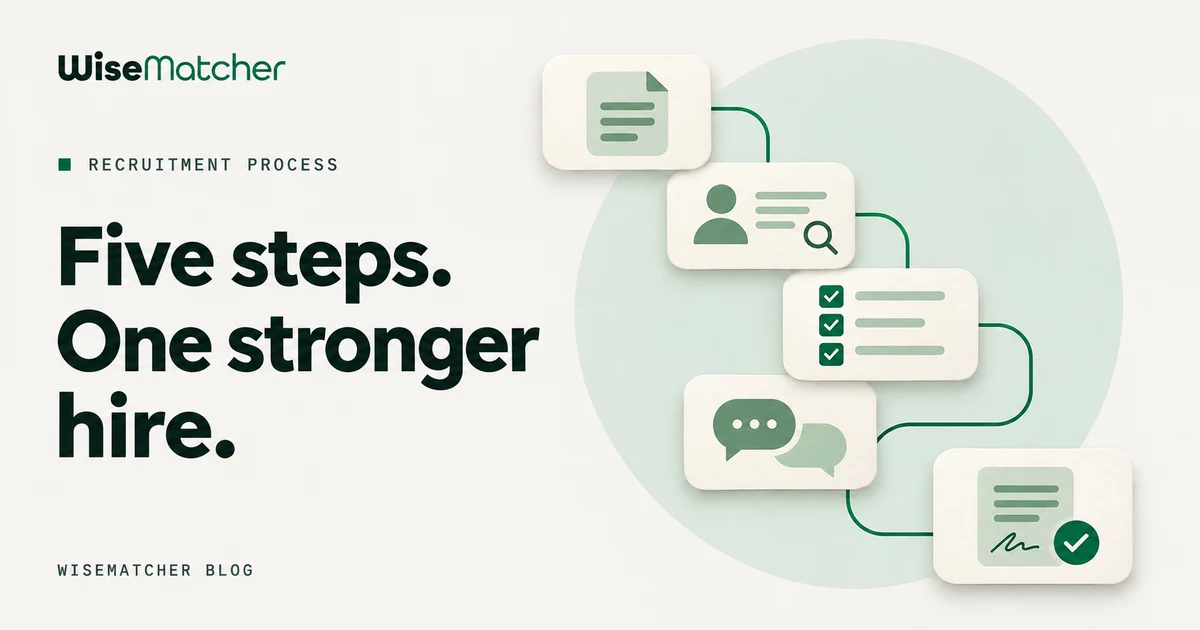
Hiring fast and right matters for staffing firms. Below are the core recruitment process steps that keep the pipeline moving and the candidate experience solid.
We analyzed 33 YouTube comments about recruitment process steps and found that 30% mentioned soft skills.
Step 1: Confirm the Hiring Need and Define the Role
First, make sure the role truly exists. Talk to the hiring manager, check budget, and write a brief on what success looks like. A clear need prevents wasted time later. The hiring process starts by confirming the role.
Next, list the core responsibilities and the must‑have skills. Keep the list short, three to five essentials, so qualified candidates don’t get scared off by a wall of requirements.
Write a one‑page job description that includes the role’s purpose, key duties, required experience, and any location or remote policy. When you share this doc with recruiters, everyone judges candidates against the same baseline.
For staffing firms placing consultants they already represent, the same clarity helps in reverse. In WiseMatcher, you choose a target role and work model for each search, and it compares US contract listings with your consultants’ resumes.
By the end of this step you should have a signed role brief and a concise job description ready to post.
Step 2: Plan Recruitment and Source Candidates
Now you decide how to get the right talent in front of you. Choose a mix of channels that match the role, internal career site, niche job boards, LinkedIn, and employee referrals are a solid start.
Set a timeline: when the posting goes live, how long applications stay open, and when you expect to have a shortlist. Communicate this schedule to the hiring manager so they know when to block interview time, and define who owns each handoff in the recruitment workflow.
Track the channels in your recruitment plan, including job postings, employee referrals, recruitment agencies, and social media outreach.
For contract‑focused IT staffing, WiseMatcher can search US contract listings on a weekday or weekly schedule and match them to your consultants’ resumes. That kind of recruitment process automation fills the early‑stage funnel without a recruiter manually scrolling through dozens of sites.
When the sourcing plan is locked, you’ll have a clear list of where each candidate will come from and a calendar of key dates.

Step 3: Screen Applications Against Consistent Criteria
Gather all resumes in one place, your ATS or a shared folder. Before you open any file, write down the must‑have and nice‑to‑have criteria you defined in Step 1.
Use a simple rubric: give each candidate a score of 1‑5 for each must‑have skill, then add a bonus point for any standout experience. A spreadsheet works fine, but many ATS platforms also let you set up custom scorecards.
A consistent rubric for every screener can help avoid bias and make scores comparable.
Once scores are in, rank candidates into three buckets, qualified, highly qualified, and best fit. Only the top bucket moves forward to interviews.
By the end of screening you should have a shortlist of 3‑5 candidates with scores documented for the hiring manager.
Step 4: Conduct Structured Interviews and Assessments
Plan the interview flow before the first call. Decide how many rounds you need, who sits on the panel, and which competency each interviewer will cover.
Use the same set of questions for every candidate. A structured interview guide can help you compare candidates consistently.
Score each answer on a 1‑5 scale with clear behavioral anchors, for example, "1 = no relevant example" and "5 = detailed story with measurable results." Capture notes in a shared document so the hiring manager can review them later.
If the role needs a technical check, add a short work sample or a coding test. Keep it under an hour and pay the candidate for their time if it’s more than a quick exercise.
After the final interview, calculate an average interview score and compare it to the screening scores. The combined rating tells you which candidate is the strongest overall.
Step 5: Verify Details, Make an Offer, and Prepare for Onboarding
Run background and reference checks before you send the offer. Contact the candidate’s references to verify their employment history, skills, and work ethic.
Draft a concise offer letter that includes title, salary, benefits, start date, and an at‑will statement. Keep the language plain, no legalese that confuses the candidate.
Send the offer verbally first, then follow up with the written letter. If the candidate negotiates, adjust the numbers and resend the final version.
While they decide, begin the onboarding prep: set up their email, assign a buddy, and create a 30‑day plan. A smooth first day boosts retention, especially for contract consultants who move quickly between assignments.
In WiseMatcher, you can save a match to the candidate pipeline and move it from lead to submitted, interview and placed, with the listing and your notes on the same card.
By the time the contract is signed, the new hire should have all paperwork completed and a clear agenda for the first week.
Recruitment Process Steps: FAQs
What is the typical time‑to‑fill for a contract IT role?
It varies with the skill set and the market. A clear role brief, a ready shortlist and fast interview scheduling are what shorten it.
How many interview rounds are enough?
Two rounds work for most contract positions: a short screening call followed by a deeper competency interview.
Do I need an ATS for a small team?
An ATS isn’t required, but a simple spreadsheet with scoring columns can give you the same consistency benefits.
What legal checks are mandatory in the U.S.?
You must provide a written disclosure before a background check and comply with the Fair Credit Reporting Act, as required by federal law.
Can AI replace the recruiter?
AI can automate sourcing and initial matching, but human judgment is still needed for interview scoring and cultural fit.
How do I keep candidates engaged during the wait?
Send brief status updates after each stage; a quick email saying “your profile is moving to the interview stage” keeps momentum high.
Conclusion
Start by locking down the role brief, then let WiseMatcher feed you qualified contract matches while you follow the five steps above. Once you have a shortlist, move quickly through structured interviews and a clear offer, that’s the fastest path to a successful placement. For next‑step communication tips, see our recruitment email templates guide.